
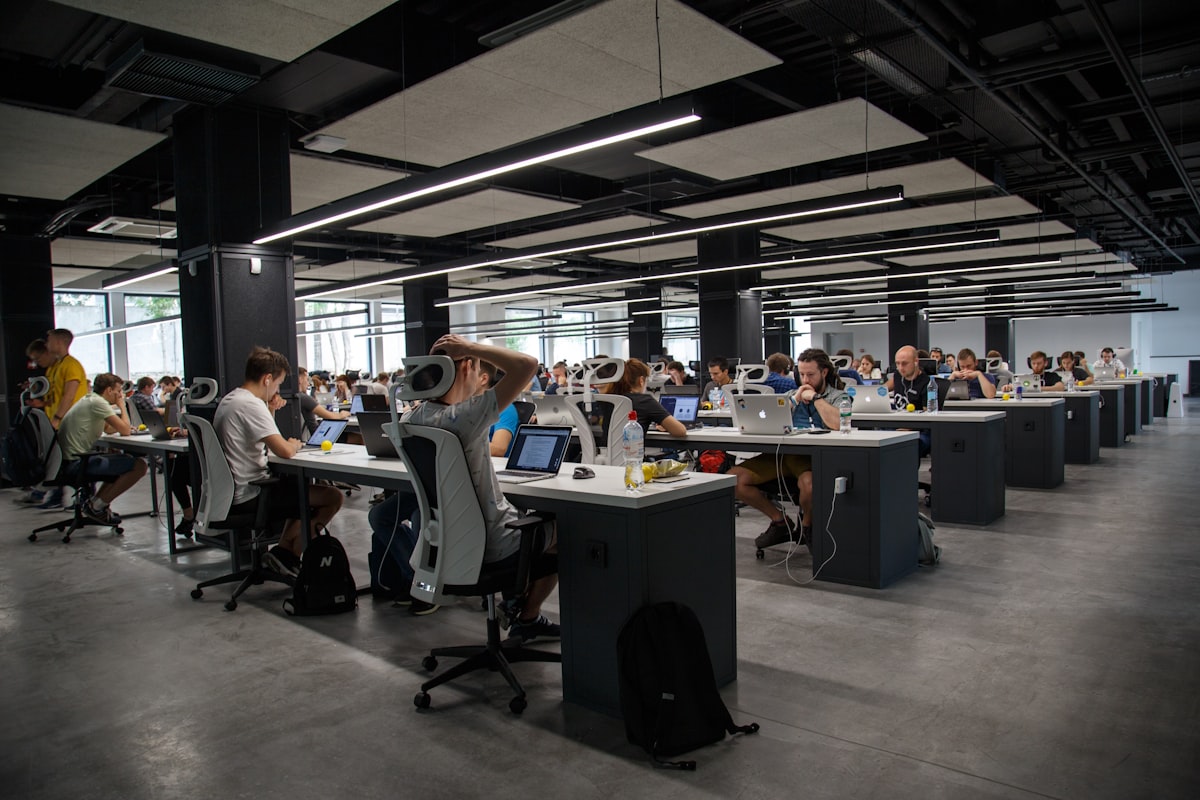
The concept of a Smart Factory is often depicted as a futuristic, neon-lit warehouse where robotic arms build components in complete darkness without human presence. In actual industrial reality, a smart factory is far more grounded: it is a production environment where machines, sensors, systems, and people share operational information seamlessly to make faster, more profitable decisions.
What Truly Makes a Factory "Smart"?
Traditional manufacturing plants operate in functional silos: machine controllers run independently, maintenance records live in filing cabinets, quality logs sit in binders, and financial costings exist in the ERP. A factory becomes "smart" when these fragmented data points connect into a closed feedback loop.
The four characteristics of a genuine smart factory are:
- Interoperability: Heterogeneous equipment (regardless of age, brand, or protocol) communicates status into a unified data architecture.
- Information Transparency: Operators, supervisors, and executive leadership see the exact same factual operational state in real time.
- Technical Assistance: Systems aggregate telemetry into actionable guidance (such as flagging that a bearing is overheating before it seizes).
- Decentralized Decision-Making: Edge gateways and floor supervisors can resolve micro-disruptions autonomously without waiting for end-of-day executive directives.
The Five Core Technology Layers
A smart factory functions through an integrated technology stack:
- The Physical Layer: Motors, presses, furnaces, CNCs, and conveyors that perform manufacturing work.
- The Sensing & Gateway Layer: Digital transducers, optical sensors, energy meters, and industrial IoT edge gateways that translate physical motion into digital data packets.
- The Network Layer: Robust, interference-resistant industrial Wi-Fi, Ethernet, RS-485, or private cellular networks operating reliably amidst electrical noise.
- The Software & Analytics Layer: Cloud-native or on-premise platforms like Poldu MES that compute metrics, track work orders, and log stoppages.
- The Human Interface Layer: Intuitive dashboards, mobile alerts, and ruggedized shop-floor touchscreens designed for high-stress manufacturing conditions.
Smart Factory vs. Fully Automated ("Lights-Out") Factory
It is vital for plant managers to distinguish between these two terms:
A Fully Automated Factory replaces human physical labor with machinery. It is capital-intensive, rigid, and well-suited only for standardized, high-volume products (like automotive stamping lines or semiconductor fabs).
A Smart Factory digitalizes production intelligence. It works exceptionally well in high-mix, low-volume job shops where skilled machinists and assembly technicians rely on digital telemetry to optimize changeovers, eliminate scrap, and maintain peak equipment availability.
Real-World Industry Applications
- Automotive Tier-1 & Tier-2 Machining: Tracking spindle load and vibration signatures to predict tool breakage before high-value castings are scrapped.
- Plastic Injection Molding: Monitoring cycle times against theoretical mold specifications to detect delayed cooling or sluggish robot pickers.
- Metal Stamping & Fabrication: Recording hourly stroke counts and automated die changeover timers to slash setup loss using SMED principles.
Gradual Steps to Smart Factory Transformation
Do not attempt to overhaul your entire factory simultaneously. Follow an incremental roadmap:
- Audit existing machines for electrical signals and data access points.
- Digitize one high-value manufacturing line to establish an internal success benchmark.
- Standardize downtime reason codes across operators and shifts.
- Connect machine telemetry to the factory production schedule.
Build Your Smart Factory One Machine at a Time
See how Poldu's smart factory platform delivers immediate operational clarity across your existing machinery.
Schedule a Smart Factory Walkthrough →